 The Best Lotus Esprit Sports Car Gallery
The guys over at AutoCar have caught the upcoming Lotus Esprit testing in cold-snowy weather of Sweden. After running some DVLA records and matching the license plate, AutoCar has learned that the prototype is powered by a 4.4 liter V8 engine. Lotus sources have previously said that BMW may be the supplier for Lotus’ 2011 Esprit.It’s possible that the new Lotus Esprit will carry the 4.4 liter twin-turbo V8 engine from the new BMW X6, but will most likely be tuned to develop 500 horsepower.Currently the 4.4 liter twin-turbo from V8 produces 400 horsepower. The engine is also expected to be used in other BMW models including the X5 and the 7-Series. Lotus engineers will most probably re-work the engine management to reach numbers closer the Nissan GT-R and the Porsche 911 Turbo.
According to Lotus insiders, the next-gen Elise will arrive sometime in early 2011 followed by an all-new V8-powered Esprit in 2012.
 The Best Lotus Esprit Sports Car Gallery
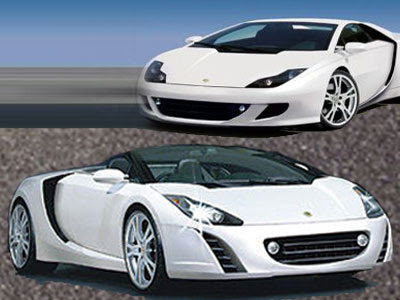
The 2011 Elise will likely be built upon an evolved version of the current model’s extruded-aluminium underpinnings and continue the same formula that’s made the pint-sized sportscar a track day fave, but the Esprit will be a wholly different beast.
While the new Elise is all but locked in, the Esprit project is very much dependent on whether Lotus can sell enough Evoras to fund it. The timeline for the Esprit is also at the mercy of the global economic situation, with Lotus likely to delay the Esprit and forge ahead with a far less costly drop-top Evora if the recession persists much longer.
If it launches on time, the Esprit could be Lotus’ best hope of gaining a much larger share of the sports car market.
There are speculations stating that the 500bhp V10 powerplant can be the source of power for the Lotus Esprit, which will be released in 2012.
 The Best Lotus Esprit Sports Car Gallery
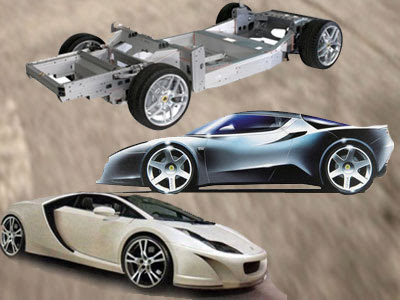
The engine is currently being used in the Lexus LF-A, a car that has not yet been launched itself. Being connected with the Japanese carmaker Toyota, Lotus has access to its entire range of parts and components, as well as powerplants from the Lexus line. This points to the likelihood of an Esprit flagship, costing more than ?100,000, equipped with the compact 8500rpm V10 unit (to rival the Lamborghini Gallardo), including a less expensive variant equipped with the 5-liter, 417bhp V8 from the Lexus IS-F and an entry-level model coming with a Lotus-tuned direct-injection Toyota V6 unit that can come up with 300bhp.
Although a V8 or a V10 unit would definitely boost the profile of Lotus, there is also a possibility of an Eco Esprit. Lotus is moving forwards with more efficient products with lightweight engineering and its keen interest in alternative fuels and hybrid solutions. This is also underline by its partnership with the electric car manufacturer Tesla.
 The Best Lotus Esprit Sports Car Gallery
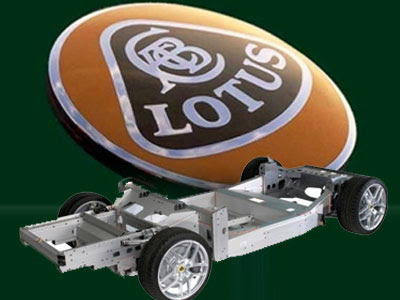
The Esprit was inspired by the larger bonded and extruded aluminum chassis of the recently launched Evora, the rear section of which have been developed to accommodate both transversely and longitudinally fitted engines. Although the Lotus has shown that it can develop a new model in a short time (the Evora, for example, was developed in 27 months), the work on the Esprit will only reach its maximum when the Evora is being swept out of showrooms in the UK, Europe and US. It is the Malaysians who are funding the Evora project, with the persuasion of Lotus CEO Mike Kimberley.


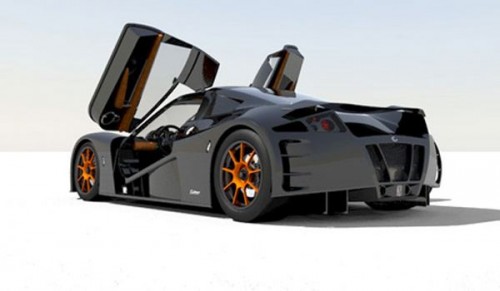


 The Best Lotus Esprit Sports Car Gallery
 The Best Lotus Esprit Sports Car Gallery
 The Best Lotus Esprit Sports Car Gallery
 The Best Lotus Esprit Sports Car Gallery
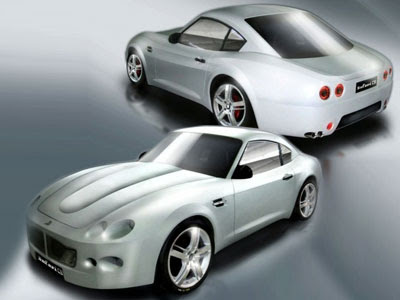 sports cars 2010
 sports cars 2010
 sports ferrari cars
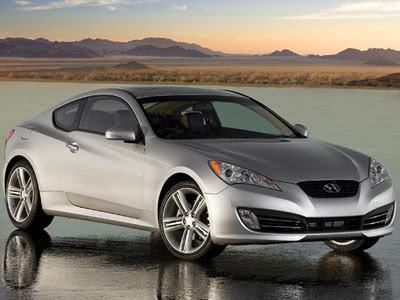 sports cars 2010
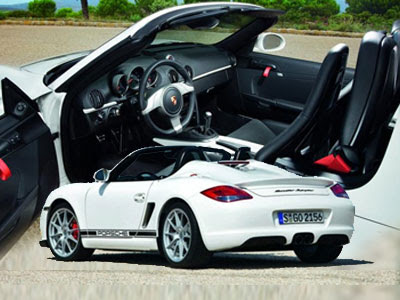 sports cars 2010
 sports cars eagle
 sports cars photos
 sports cars photos
 sports cars 2010
 most amazing cars


